Before you launch that new product, read this. Seriously.
Successfully launching a new product to market is hard. Like, really hard.
I’ve worked on new product development and launches for years, from startups and challenger brands through to established international businesses launching products into major supermarket multiples.
Different products. Different markets. Different budgets. But surprisingly, I keep the same mistakes.
One of the biggest is businesses spending heavily on developing and manufacturing the product itself, only to arrive at the point of launch with almost nothing left in the kitty to actually sell it.
I’ve seen businesses commit substantial six figures to product development, manufacturing and stock, then come to us with perhaps €5,000 - €10,000 in remaining seed money, hoping to name it, brand it, package it, photograph it, build the website, create the content and bring it to market.
Sometimes the stock is already on its way and the packaging isn’t finished. Sometimes the product doesn’t even have a proper name yet. Respectfully, if this is your game plan, you’re making it already harder than it needs to be.
We all know that start ups are a tough gig. The wider numbers are sobering too. CSO data shows that only 47.6% of Irish enterprises started in 2018 were still active five years later. That doesn’t tell us why individual businesses failed, but it does underline a fairly important distinction: starting something and building something sustainable are not the same thing. Central Statistics Office
Making the product is only half the job. Selling it is the other half.
So rather than another theoretical guide to product launches, here are six practical lessons I’ve learned from doing this work — hopefully they can make your own launch a little easier, a little less expensive and a lot less painful.
1. Do your homework
Nobody wants to be the answer to a question nobody asked.
Before committing serious money to manufacturing, understand the market you are walking into. Who is already there? What are customers buying? What are they paying? What do they like and dislike about existing products? Where is the actual gap?
That doesn’t mean producing a 70-page strategy deck nobody will ever open. It means doing enough homework to make better decisions.
Bord Bia takes essentially the same view. Its innovation work is built around matching product development to genuine, verified consumer needs, while its Cultivate platform scans more than 33,000 research signals and tracks consumer behaviour across ten international markets. Bord Bia
You don’t need Bord Bia’s research resources. But you may need the mindset.
Use industry reports. Look at Kantar. Benchmark competitors. Look at search behaviour, customer reviews, social conversations and retailer activity. And then look at the less glamorous numbers too: manufacturing cost, logistics, margin and the price the customer will actually tolerate.
We once worked with an Irish high profile high-street retail business with an excellent fresh-pressed product. The product was amazing, super premium and delicious. The product wasn’t the problem. The economics were. The company had never figured out the production cost and the business was haemorrhaging money.
If the maths doesn’t add up, better branding won’t save you.
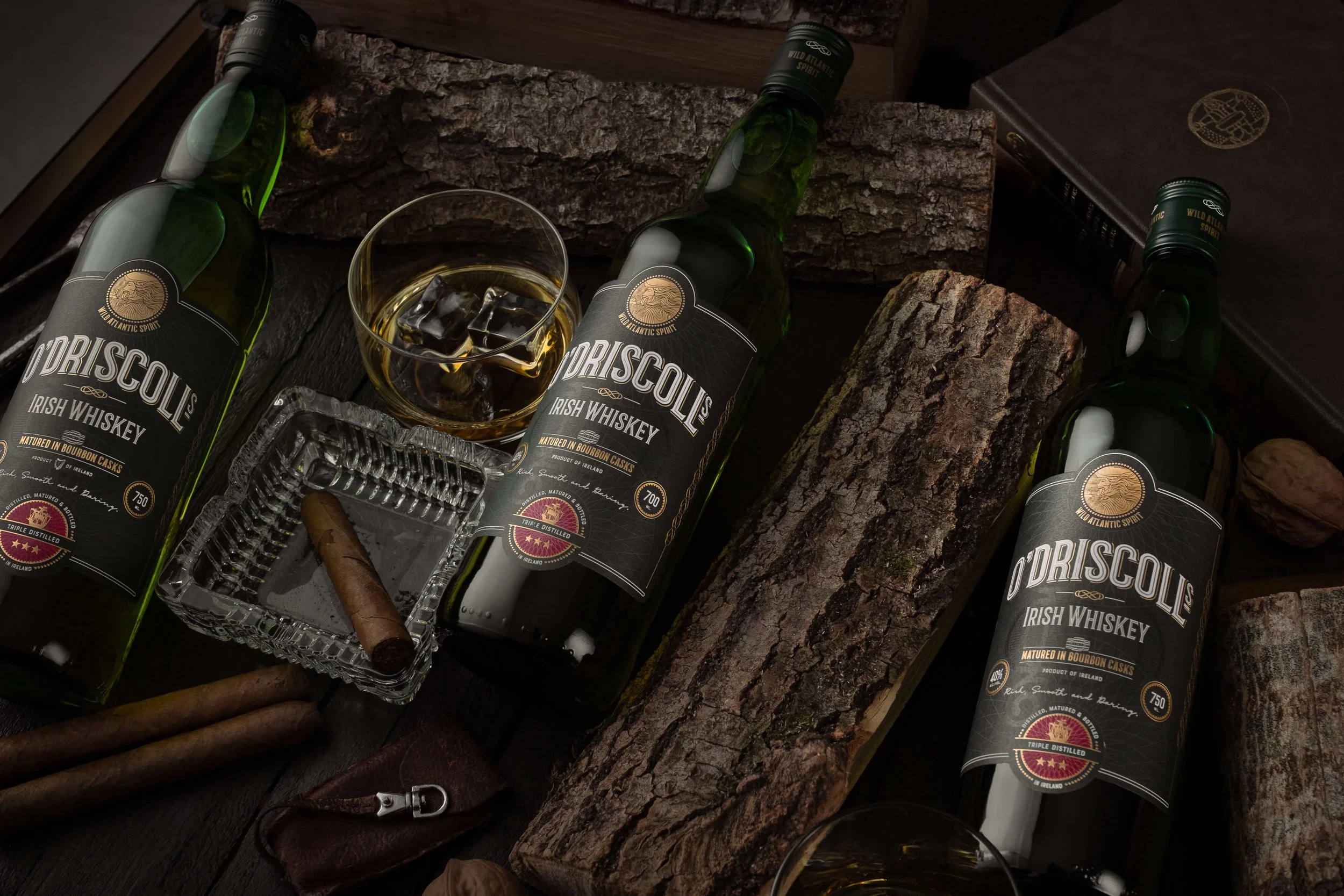
O'Driscolls Irish Whiskey | Launching a Successful Challenger Irish Whiskey Brand View Project →
2. Think big. Start small.
Founders should be ambitious.
But there is a difference between having a big vision and trying to launch the final version of the company on day one.
Kantar found that new products accounted for more than 11% of sales among the UK’s ten largest branded FMCG manufacturers in its analysis, while driving more than 43% of their growth. Innovation clearly matters.
But innovation doesn’t mean launching everything you have ever thought of at once.
We’ve worked on a project where the client launched dozens of flavoured teas in one go, instead of beginning with a tiered staggered smaller range and using the remaining resources to both introduce and support those products properly.
Every SKU needs stock. It needs packaging, photography, content, sales material, working capital and marketing attention.
The more you launch, the further those resources have to stretch.
If the long-term ambition is a range of a dozen or more products, then brilliant, I applaud your ambition. However, you don’t necessarily need to prove all of them on day one.
Launch what you believe will be the category captains, or the strongest part of the range. See what people actually buy. See what retailers respond to. Learn where the repeat purchase comes from.
Then build.
Think big. Start small.
You don’t have to prove the whole business on day one. Prove the first part properly, then scale aggressively.
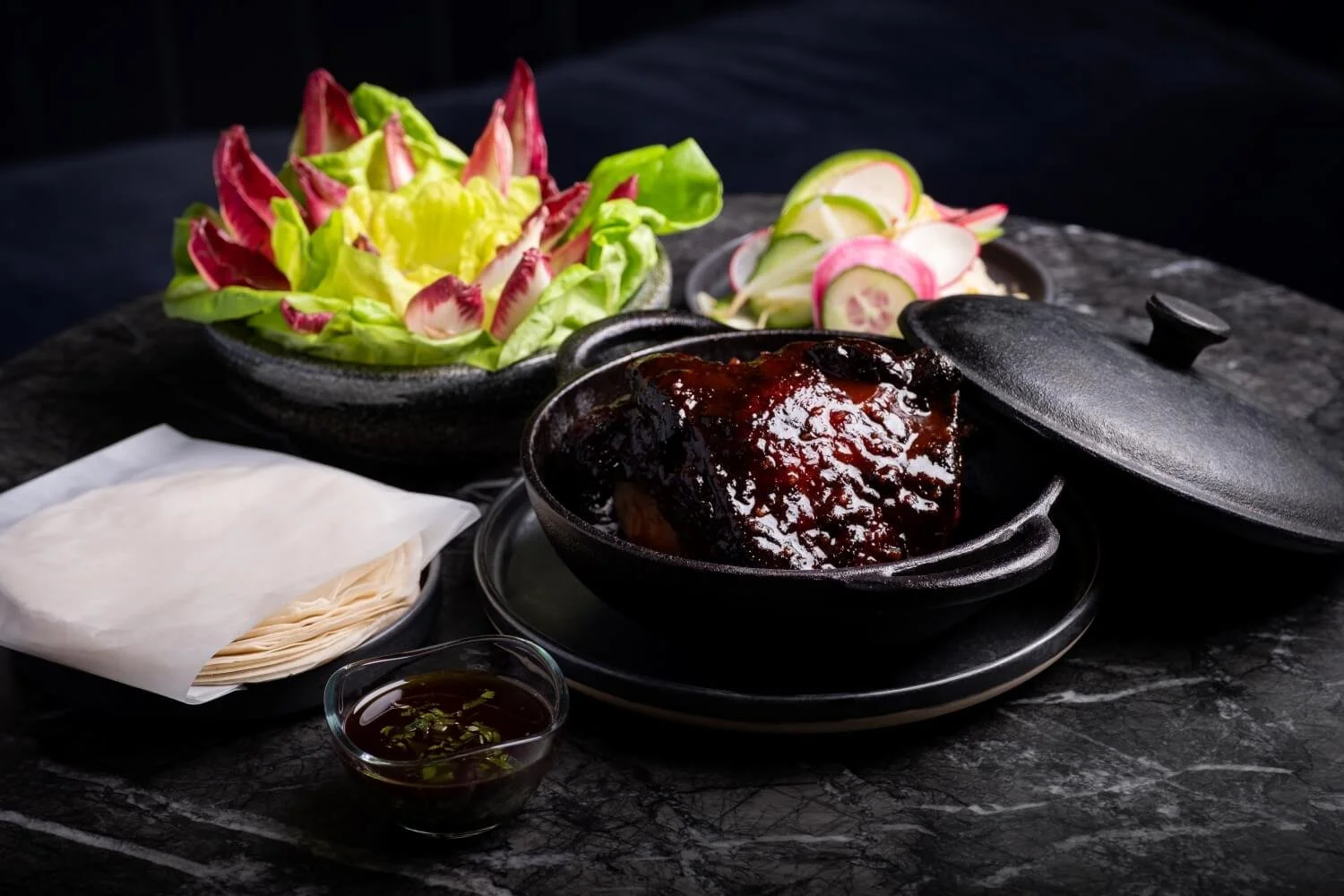
Hyde Venue | Turning a new ambitious brand Into a destination venue View Project →
3. Don’t blow all your budget on the product
This one sounds obvious. It apparently isn’t.
A manufacturer tells you that 50,000 units cost €X each, but if you order 80,000 the unit price falls substantially. Of course that is tempting. Suddenly the spreadsheet looks better and your theoretical margin has increased.
But only if you sell the extra 30,000 units.
Otherwise, you’ve simply converted more cash into inventory — working capital you can no longer spend on marketing, sales, distribution or the other things a new business inevitably needs.
The cheapest unit is not always the cheapest decision.
I’ve also seen founders behave like funded tech startups when they weren’t funded at all: neither founder earning, no meaningful revenue coming in, no investors behind them, and personal savings disappearing every month.
Sometimes the sensible answer is less glamorous: keep earning while you prove the product. Build it alongside your existing income until there is enough revenue, investment or genuine traction to justify going all-in.
The Small Firms Association reported in 2026 that 59% of Irish small firms had six months or less of financial reserves. That is a fairly stark reminder of how quickly runway can disappear. Ibec
I’ve seen good brands wither on the vine because the founders simply ran out of money and energy before the market had enough time to respond.
And while there is no universal rule saying a startup must spend X% on marketing, established consumer-goods businesses routinely allocate a meaningful part of their revenue to it. Gartner put consumer-goods marketing budgets at 9.7% of revenue in 2025. That is not a startup formula, but it does reinforce the broader point: marketing cannot be treated as whatever money happens to be left at the end. Gartner
Marketing cannot be whatever is left over.
Supply and demand need to grow together. Supply without demand is inventory. Demand without supply is an opportunity.
I’d rather be solving the second problem.
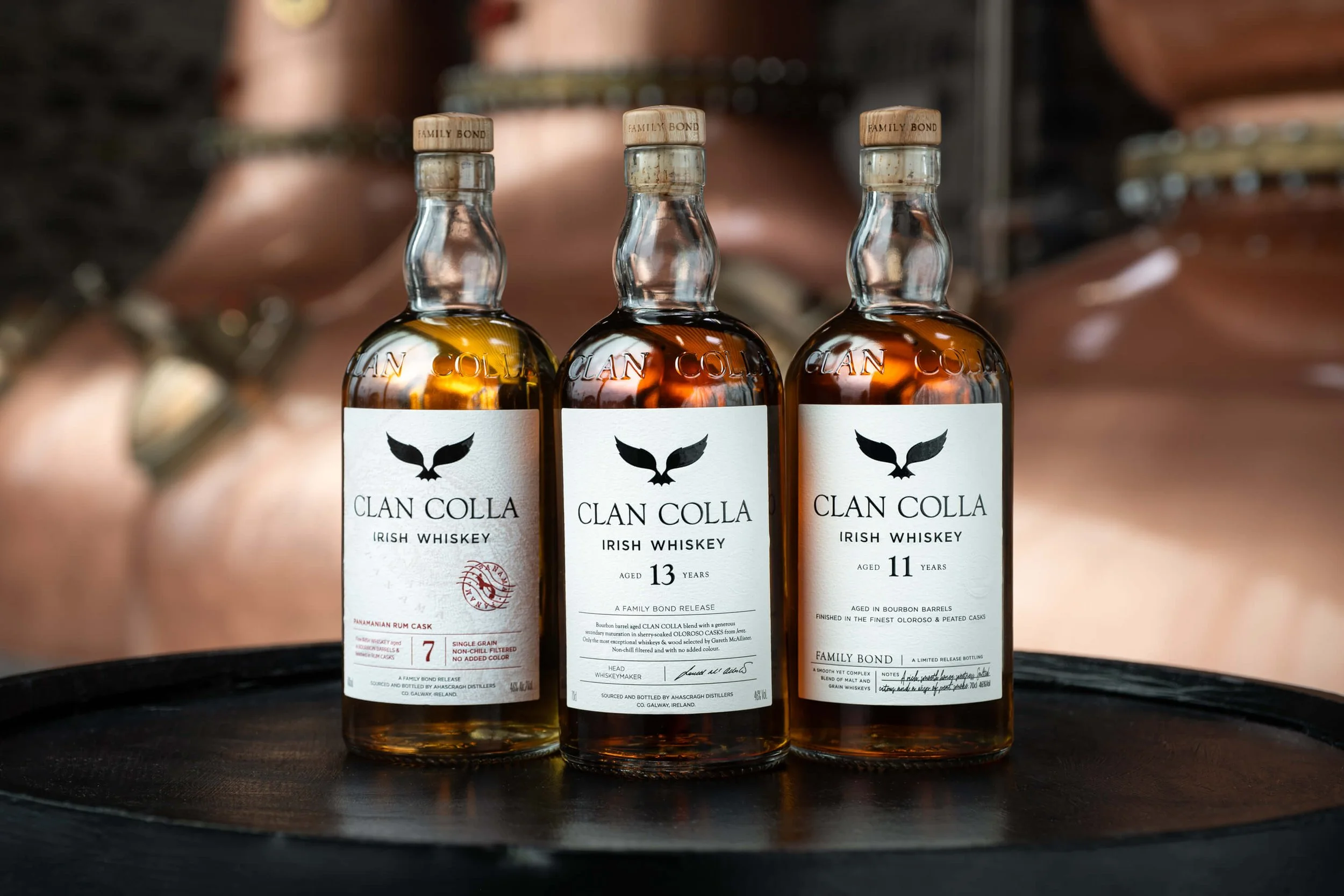
Clan Colla Irish Whiskey | Building a new premium whiskey brand for a greener future View Project →
4. Plan your route to market early
A good product sitting in a warehouse is still a product sitting in a warehouse. You need to know how it is actually going to reach a paying customer.
That might involve distributors, wholesalers, fulfilment partners, independent retailers, supermarket buyers, direct eCommerce, export partners or some combination of them.
Those conversations should be happening while the product is being developed, not after the truck arrives.
I’ve seen businesses get remarkably far into new product development without properly mapping logistics, fulfilment, distributors or retail relationships. Then the product is ready and suddenly the commercial infrastructure has to be invented around it.
It is backwards. It is bonkers.
I’ve worked with founder-led consumer brands trying to enter their first market, Irish challenger brands preparing for export and established international businesses launching into major supermarket multiples.
The scale changes. But the question doesn’t:
How is this thing actually going to get sold?
And if the answer involves export, start thinking about that early too. Packaging, pricing, sales material, distribution and positioning may all need to change from one market to another.
The product pipeline and the sales pipeline should be working in tandem and developing together.
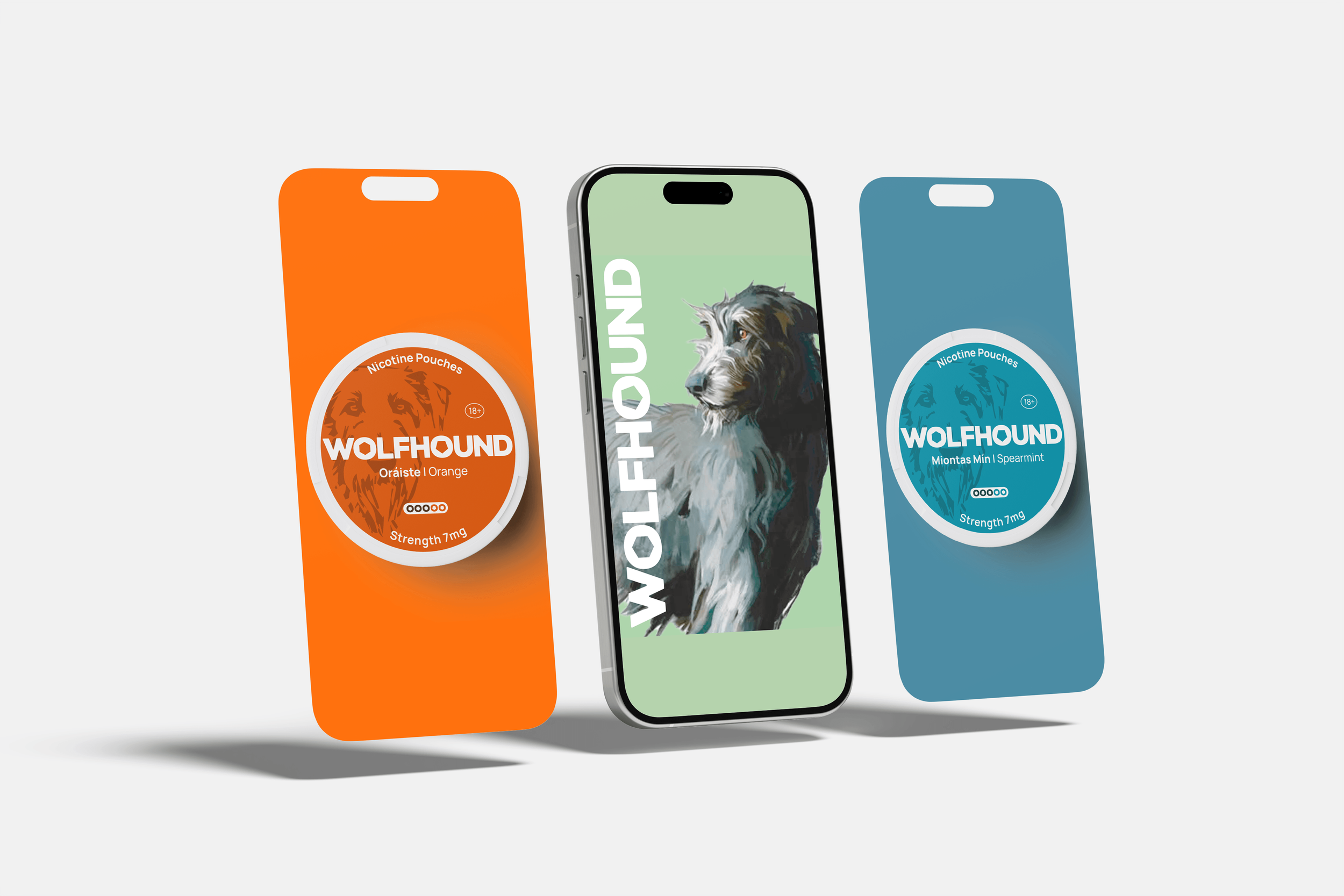
Wolfhound Nicotine Pouches | From brand zero to brand hero - building a FMCG identity View Project →
5. Build demand before launch day
One of my favourite examples came from a challenger brand in the whiskey space.
There was a substantial lead time before the physical product would be commercially ready because of maturation and bottling.
That could have been dead time, instead, we used it. Really well.
We developed the brand, built the website, created the photography and video, developed the content and started building the social audience well before the product reached market.
By the time launch arrived, this new challenger was already outperforming some significantly higher-profile distillery brands across relevant social KPIs, impressions and engagement.
Despite the fact that there were no physical bottles to sell, people knew something was coming. There was anticipation. There was FOMO. Then there were sales. Lots of them.
The old advertising line still works:
Sell the sizzle before the steak.
That doesn’t mean manufacturing hype around a bad product. The product still has to deliver, it still has to serve a purpose, it still has to be a good product.
It means if you have three months before launch, use them. If you have six months, even better.
Tell the story.
Build the audience.
Talk to buyers.
Get the sales material ready.
Build your photography and content bank.
Let people discover the brand before you ask them to buy it.
A launch should feel like an arrival, not an introduction.
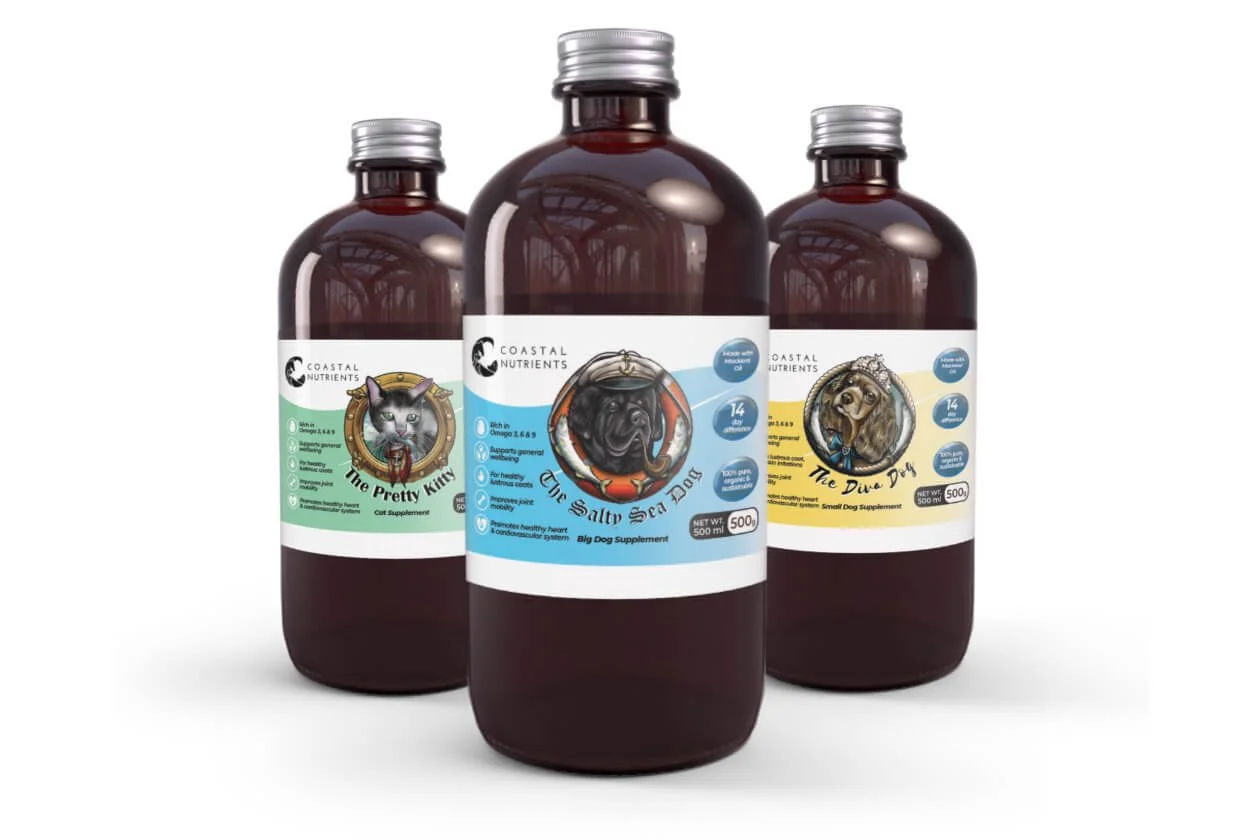
Coastal Nutrients | Bringing Ireland’s 1st plant-based pet nutrition brand to Aldi View Project →
Launch. Learn. Build from there.
There is no perfect launch plan. Honestly.
Kantar own new-product methodology includes testing concepts with real category shoppers before launch and then a specific first-100-days phase focused on buyer feedback and course correction.
That matters because the market will always, always tell you something you didn’t know beforehand. There’s never a new product development or brand activation for our client that doesn’t teach us a thing or two.
One SKU moves faster than expected. Another struggles. Retailers react differently to the proposition than consumers do. A price point or messaging needs work. A piece of content suddenly connects, or falls flat! Some innovation or clever marketing strategy you were convinced would matter turns out not to matter at all.
That is part of the process.
I’ve been doing this for years and I’m still learning. Every product, category and market is different.
Experience doesn’t mean pretending you already know every answer. Experience means knowing which questions to ask earlier — ideally before the expensive mistakes have already been made.
So if I had to reduce all of this to a handful of principles, they would be simple:
Do your homework.
Think big and start small.
Don’t blow the budget on the product.
Plan how you are going to sell it.
Build demand before launch day.
Then listen carefully to what the market tells you.
Launch. Learn. Build from there.

XIN Gin | Launching an award-winning Irish gin brand View Project →
Bringing a new product to market?
I’ve worked with startups, challenger brands and established businesses across new product development, brand activation, domestic launches and export.
If you’re developing something new and want an experienced pair of eyes on it before you commit the budget, book a Clarity Call with me.